Udder health is one of the main challenges posed to small ruminant farms. Although external factors such as infections and management practices have a decisive influence, genetics also play a key role in the prevention of mastitis. Incorporating genetic selection strategies into breeding programmes not only contributes to improving udder health, but also increases the efficiency and profitability of milk production.
Why are genetics so important?
Selecting animals with optimal morphological characteristics allows for the development of healthier, more functional and more productive herds.
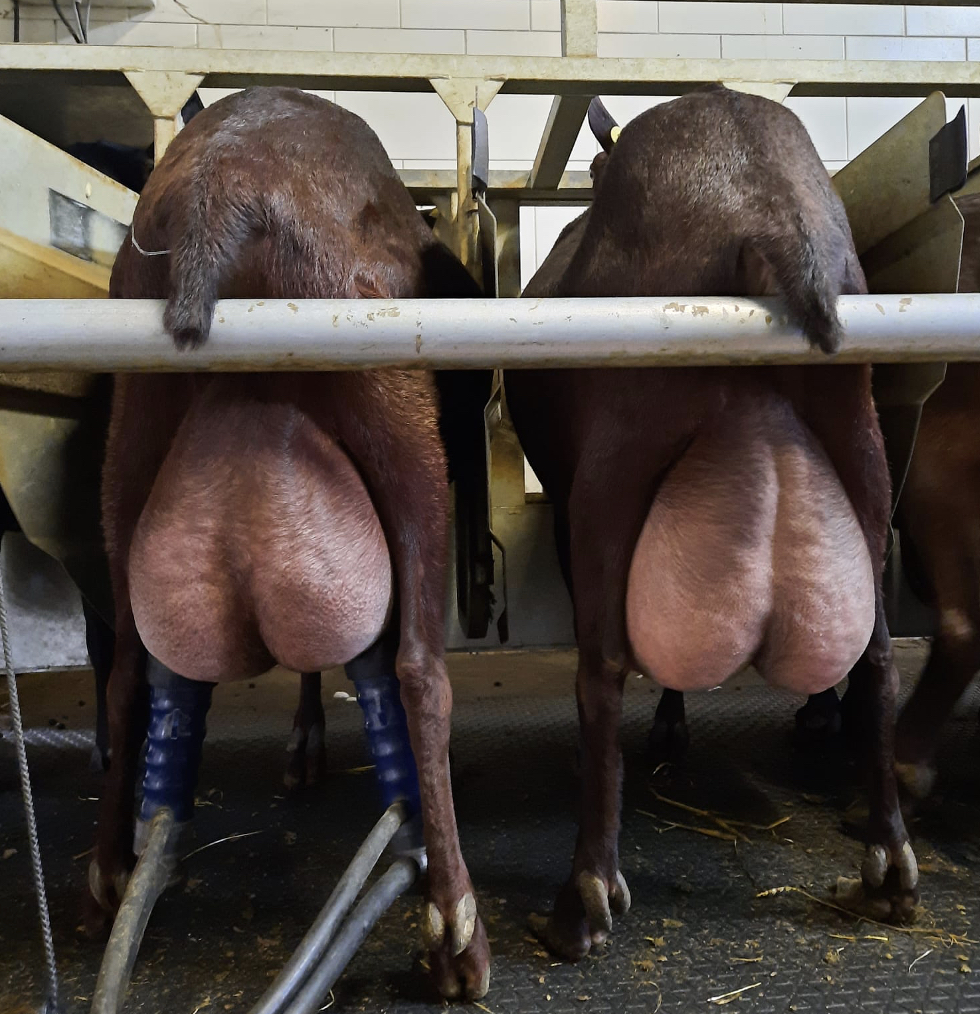
The main features to evaluate in udders are:
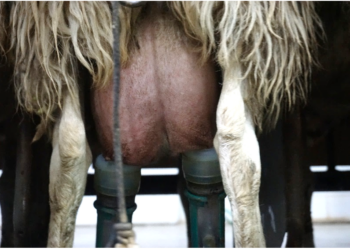
· Udder size and attachment: higher milk production is typically associated with a wide and strong attachment. A well-supported udder is essential in maintaining long-term productivity and reducing the risk of injury and infection.
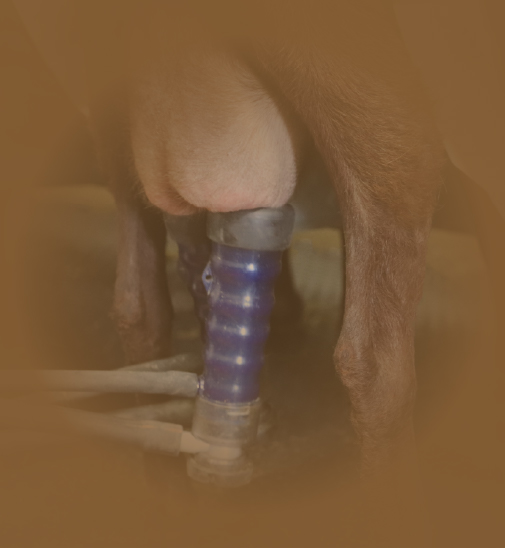
· Teat placement and size: proper teat placement facilitates more efficient milking, reduces labour and minimises health risks. Maximum teat verticality is associated with greater ease of milking, while an adequate teat size allows for a proper fit to the teat cups.
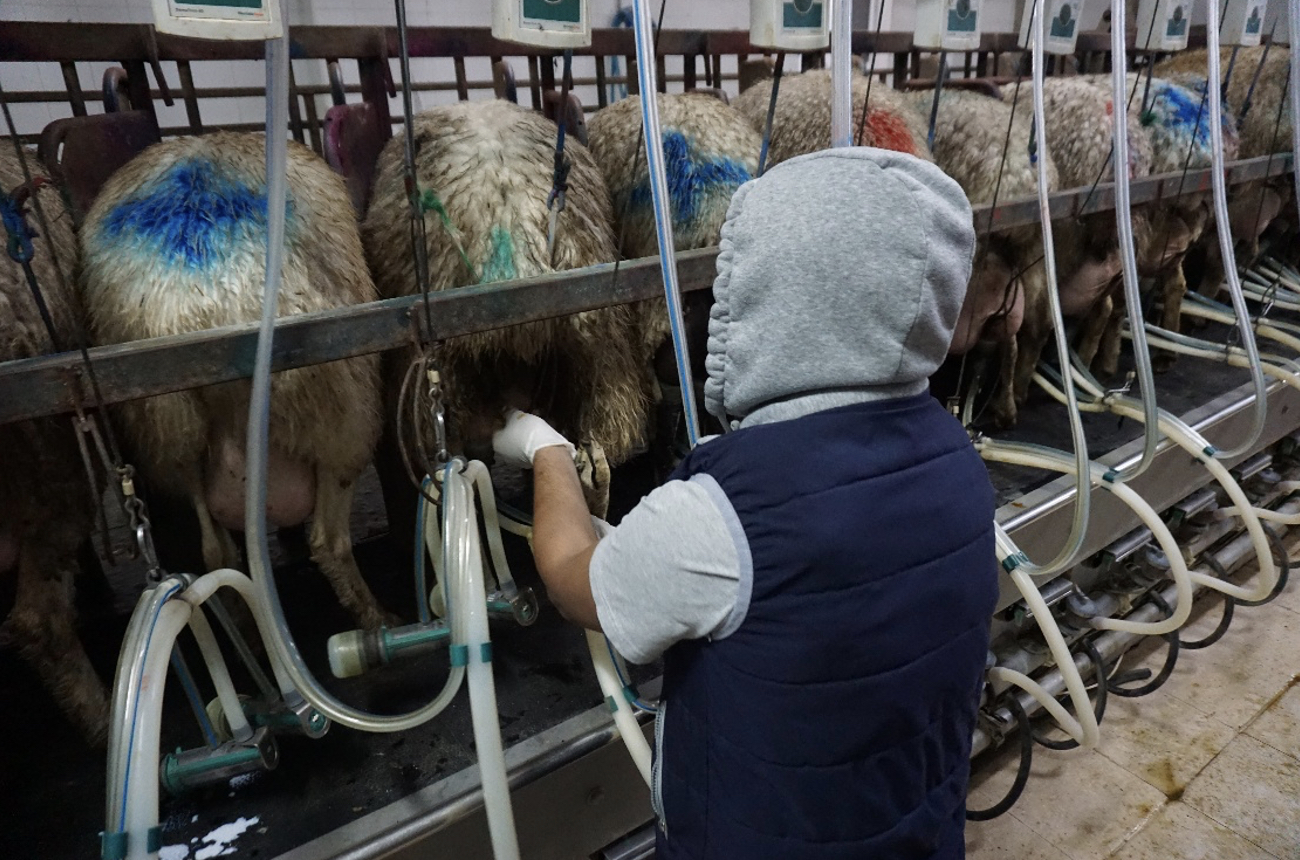
· Structural features: the animal’s overall shape, but particularly its hip structure, influences whether the udder remains above the hock. This reduces the risk of trauma, improves welfare and prolongs the animal’s productive life.
The morphological characteristics of the udder are hereditary, and deficiencies in their shape can seriously affect milk production and increase susceptibility to mammary infections.
What are the benefits of genetic selection?
· Greater productive longevity: a well-supported udder prevents problems such as premature falls, which make milking more difficult, compromise animal welfare and can lead to early culling of the animal.
· More efficient and safer milking: selecting animals with teats of appropriate size and placement facilitates milking and reduces incidents during the process.
· Improved animal welfare: animals with well-formed udders have fewer health problems and a lower risk of disease, aligning with current animal welfare commitments.
Mastitis prevention: good udder shape reduces exposure to overmilking, a predisposing factor for infections. It may also decrease the need for treatments.
The shape of the udder directly influences ease of milking, productive longevity, and the prevention of mastitis.
Conclusions
The genetic selection process can take time, but establishing ideal characteristics can lead to improved farm productivity and profitability.
Prioritising genetic selection improves not only udder health, but also animal welfare and milking efficiency.
Article written by:
David Raimundo Crespo – Global Product Manager · Small Ruminants Franchise · HIPRA
Tania Perálvarez Puerta – Global Product Manager · Small Ruminants Franchise · HIPRA