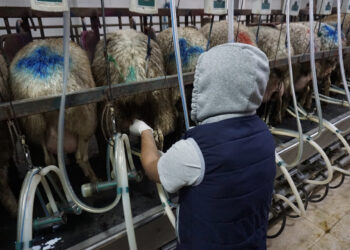
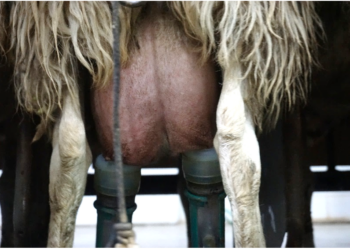
On dairy sheep and goat farms, profitability depends largely on productivity and cost reduction. Genetic selection not only improves production, but also optimises the entire production system. It has extraordinary results when complemented with additional routine milking, hygiene, nutrition and management measures.
What are the benefits of genetic selection?
Livestock activity is considered profitable when the income exceeds the combined investment and production costs. In dairy sheep and goat herds, this income largely comes from the sale of milk. However, increasing farm profitability depends not only on producing more milk, but also on improving overall efficiency.
Factors such as productive efficiency, functional longevity and animal health have a direct impact on economic sustainability
Therefore, when we refer to the genetic selection of the udder, we aren’t merely looking to increase milk production. We’re also looking to optimise productivity, reduce health problems and facilitate daily livestock management.
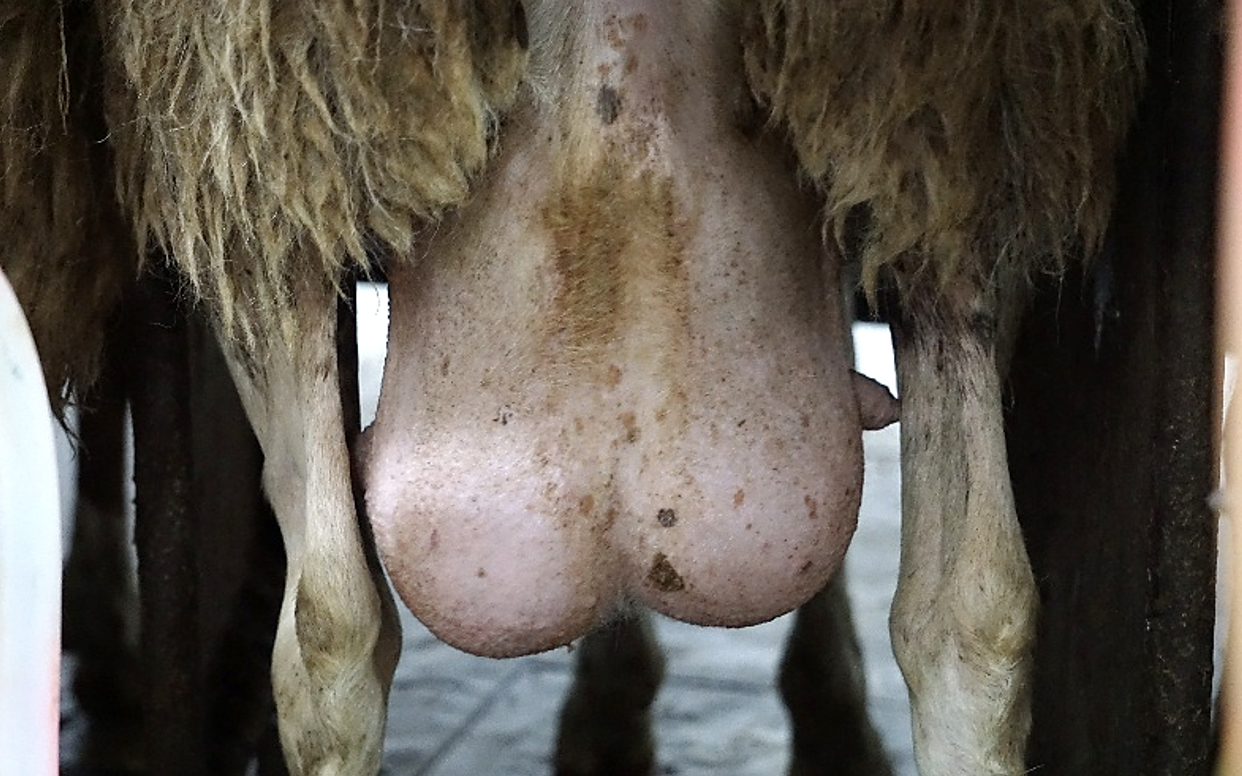
Udders with optimal conformation lead to:
1. Increased milk production and quality:
An udder’s morphology has a direct influence on its storage capacity, with those of optimal conformation having increased production. Animals with optimal udders also have lower somatic cell counts (SCC) and improved bacteriology, which can lead to bonuses in terms of quality.
2. Greater productive longevity:
Sheep and goats with well-formed udders maintain longer production cycles. This increases the return on investment, as they produce milk for a greater number of years without health problems. Poor udder conformation increases the risk of disease and early culling, raising replacement costs.
Genetically selecting animals with good udder conformation can make an economic difference on a farm
3. Mastitis reduction:
Animals with good udder conformation are less likely to suffer injuries and infections, which significantly reduces the risk of mastitis. This means a reduced need for treatments, bringing down associated costs and the use of antibiotics.
4. Operational efficiency:
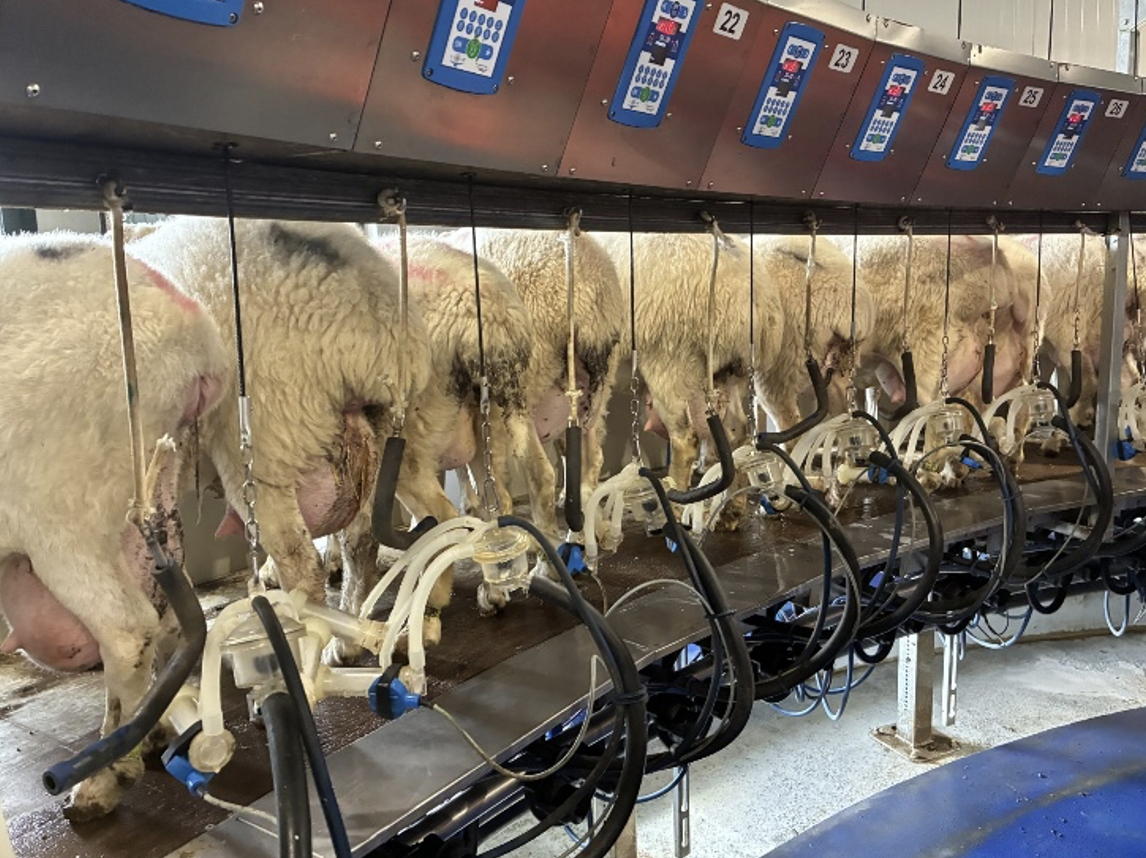
Ideal udder conformation, especially teat structure, facilitates milking. This brings down working times and extends the lifespan of the machines. This improves the farm’s efficiency and reduces the need for labour.
Conclusions
Genetic selection of the udder is a strategic tool for increasing profitability in dairy sheep and goat herds.
Udders of optimal conformation provide direct and sustained benefits over time: they increase the quantity and quality of milk, prolong the productive life of the animals, reduce the incidence rate of mastitis and facilitate milking.
The best sheep is not the most productive one, but that which provides the most benefit to the farmer
Article written by:
David Raimundo Crespo – Global Product Manager · Small Ruminants Franchise · HIPRA
Tania Perálvarez Puerta – Global Product Manager · Small Ruminants Franchise · HIPRA